Stress and hiding: helping an anxious cat
Hiding is how cats cope. Learn the signs of stress, the common causes, and how to make your home feel safe so your cat comes out on their own terms.
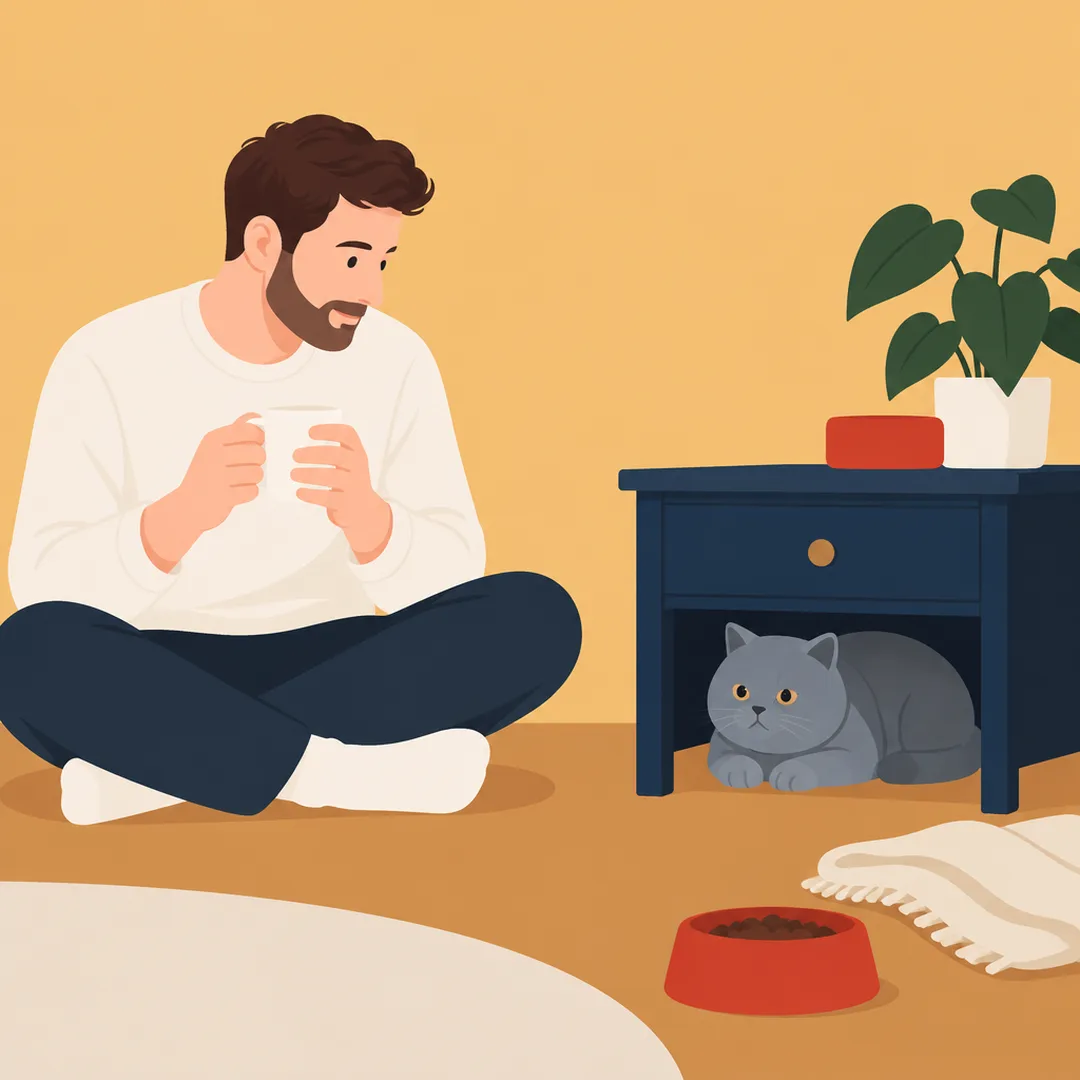
When something scares a cat, the first choice is almost always to get away and hide. That is a healthy coping strategy. Problems start when a cat cannot hide, when stress goes on for weeks, or when the home itself is the source of worry. Long-term stress affects health: it is linked to urinary problems such as feline idiopathic cystitis, over-grooming, poor appetite and house-soiling.
Signs of stress
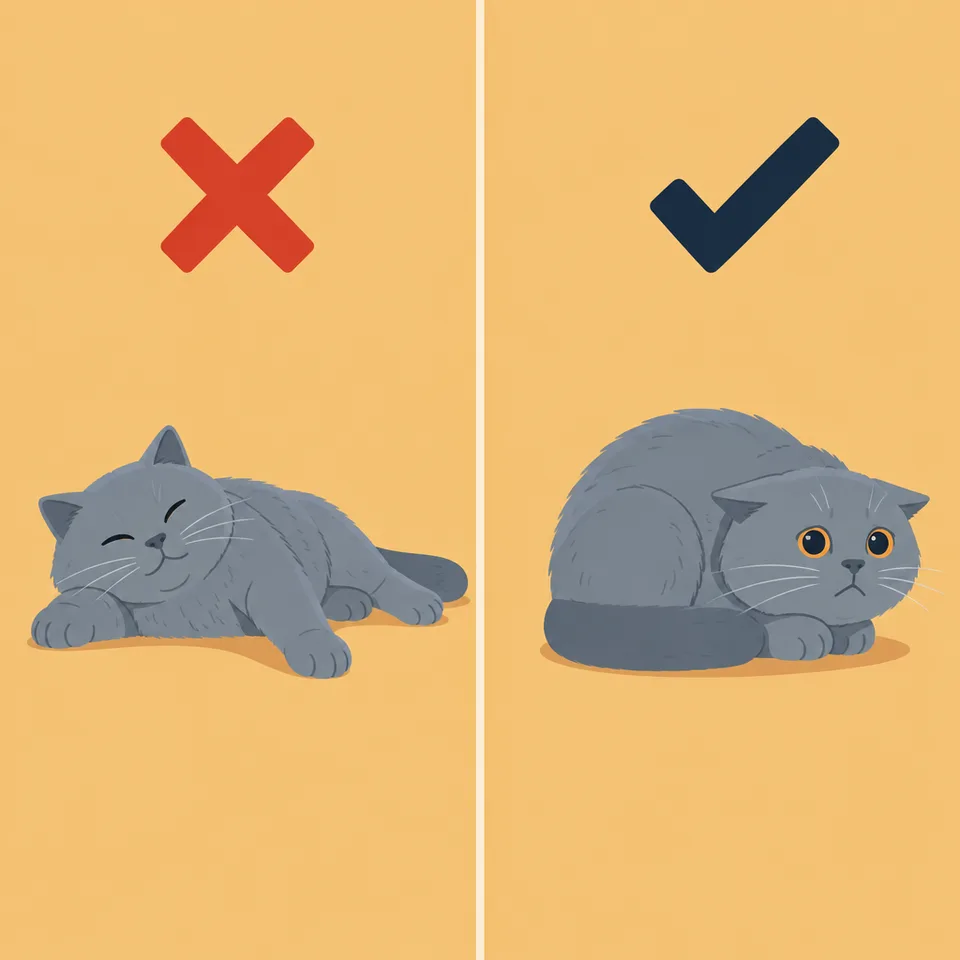
Cats hide stress well. Look for changes from normal:
Body language
- Crouched, tense body; feet tucked under; tail wrapped tight.
- Ears sideways or flat, pupils wide, whiskers pulled back.
- Freezing, or sudden watchfulness of a door or window.
Behaviour
- Hiding more, or in new places.
- Eating less, or eating only at night.
- Grooming less (scruffy coat) or much more (bald patches, often on the belly or inner legs).
- Peeing or pooping outside the litter box, or spraying.
- Scratching more near doors and windows.
- More hissing, swatting or startling.
- Less play, less interest in people.
Common causes
- Changes: moving house, building work, new furniture, a new baby, a new partner or a change in your hours.
- Other animals: a new cat or dog, tension with a cat already in the home, or cats outside the windows.
- Not enough resources: too few litter boxes, food bowls or resting spots, or resources in places another cat can guard.
- Unpredictability: irregular meals, sudden loud noises, rough or forced handling.
- Nowhere to escape: no high places or hiding spots.
- Pain or illness. Always consider it.
Build safe places
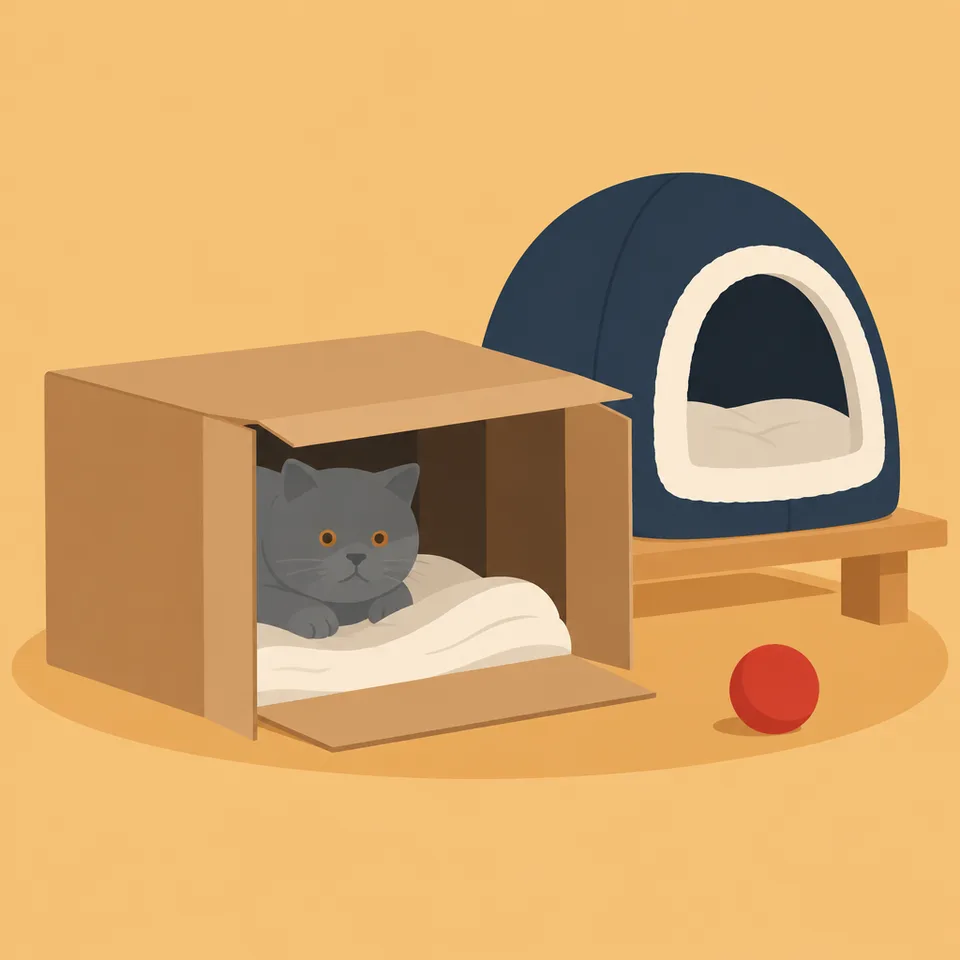
The AAFP/ISFM environmental guidelines list "a safe place" as the first pillar of a healthy environment for cats. A safe place is somewhere enclosed, often raised, where the cat can see without being seen and where nobody bothers them.
- Offer several. Cardboard boxes on their side, covered beds, the top of a wardrobe, a cubby in a cat tree.
- Go up. Many cats feel safest high up. Clear a shelf or add wall shelves.
- Keep them private. Make a family rule: a cat in a hiding place is left alone. That includes children and visitors.
- One per cat, plus one, spread around the home.
- Keep the carrier out with a blanket inside so it becomes another safe hideout, which also helps vet trips.
In one shelter study, newly arrived cats given a hiding box had lower stress scores in the first days than cats without one. Hiding helps cats adapt faster, not slower.
Coaxing without forcing
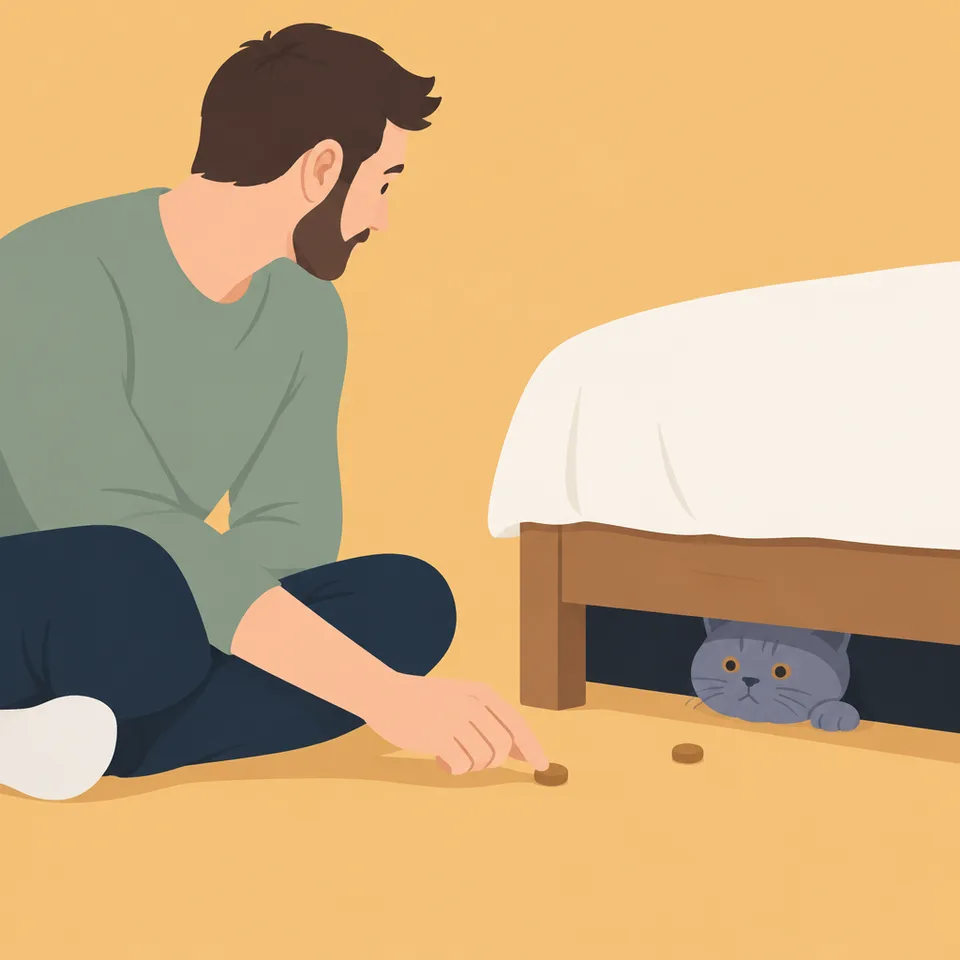
Do not pull a cat out of a hiding place unless there is an emergency. Instead:
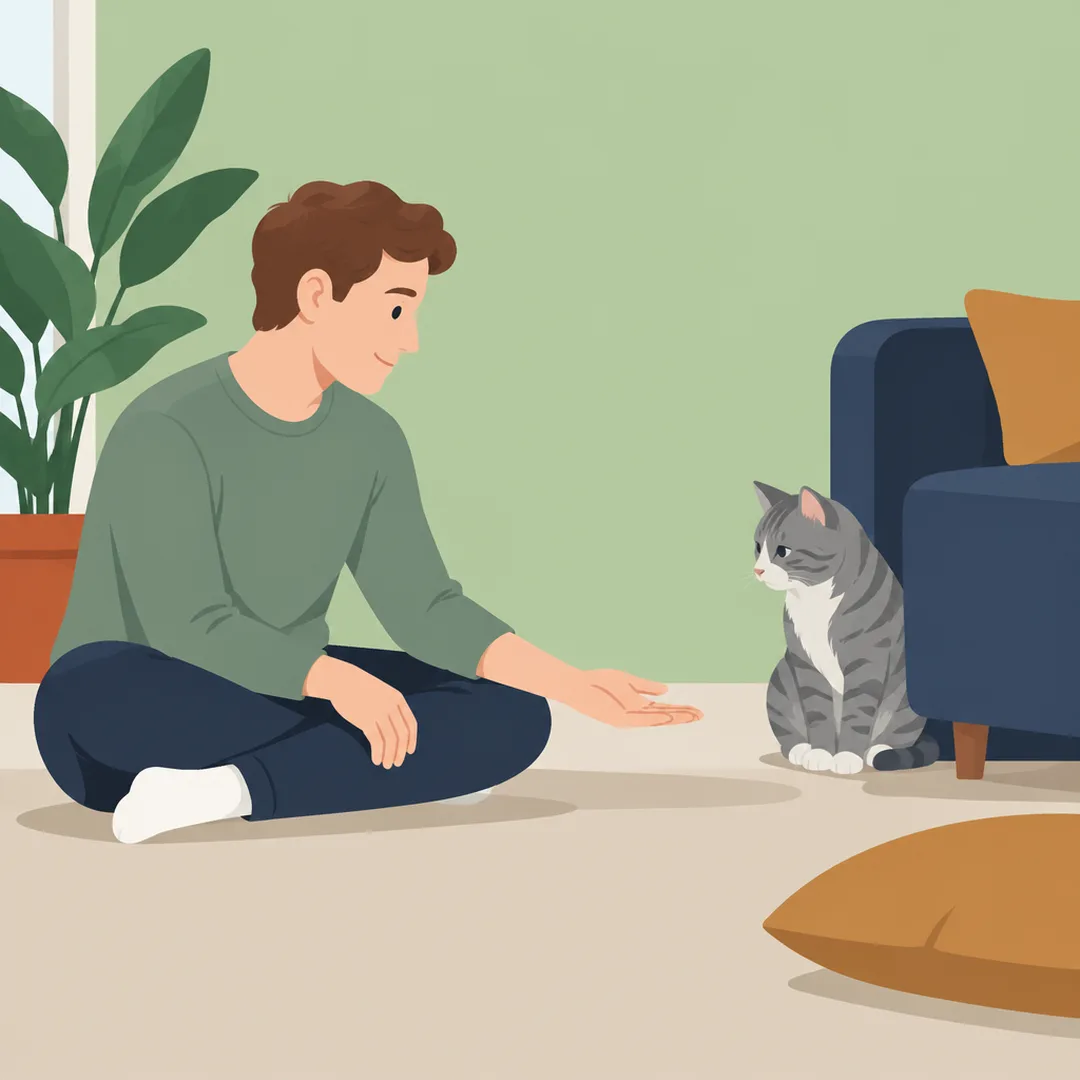
- Sit nearby, side-on, and look away. Make yourself small and boring.
- Talk softly or read aloud, so your voice becomes familiar.
- Roll a treat toward the hiding place, then a little closer to you each time.
- Offer a wand toy moved slowly at the edge of the hiding spot. Play builds confidence.
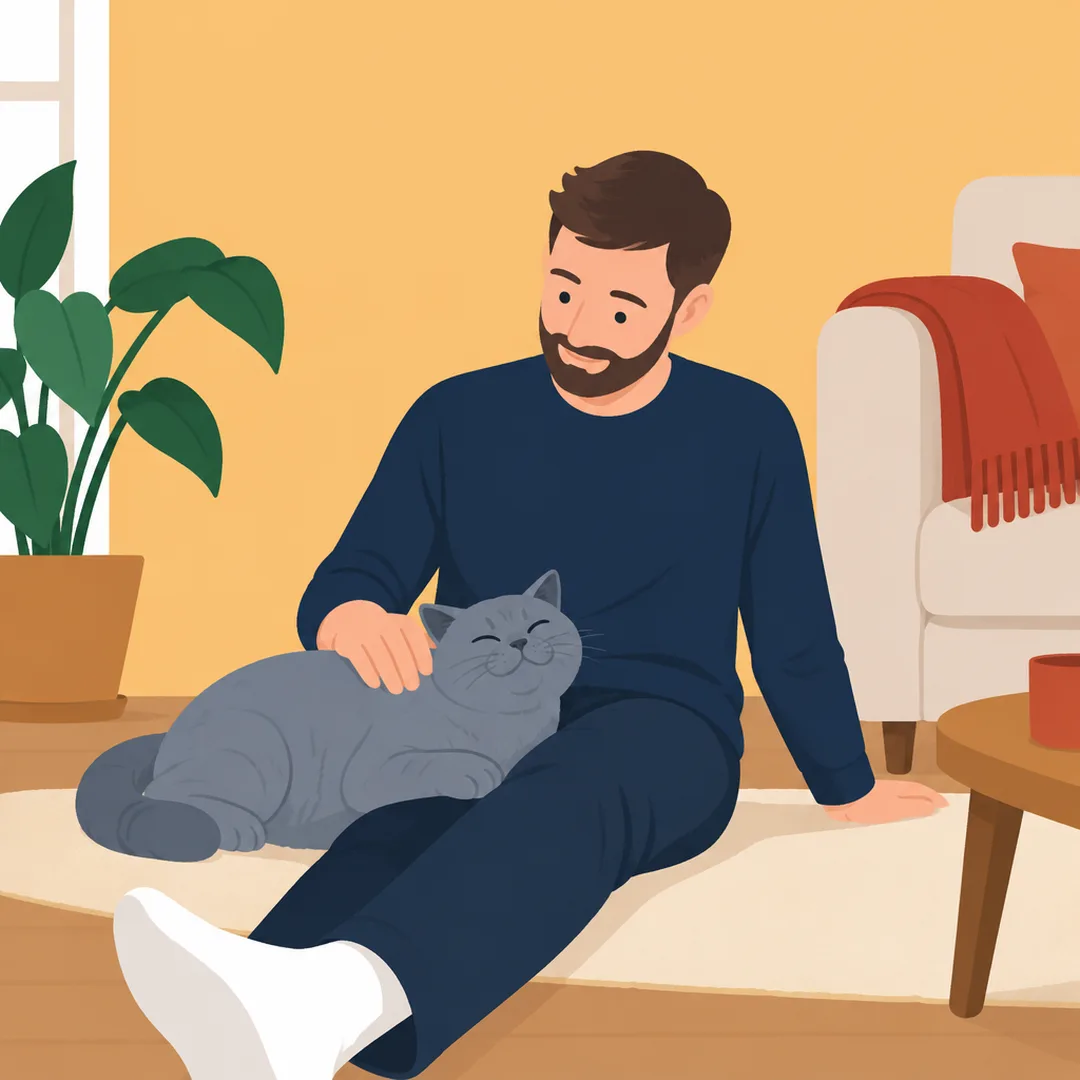
- Let the cat choose. If they come out, keep things low-key. If not, try again later.
For very shy cats, keep sessions short and repeat daily. Progress is measured in weeks.
Make life predictable
- Feed at the same times. Play at the same times. Cats find routine reassuring.
- Give warning before handling: say your cat's name, offer a hand to sniff, and let them come to you.
- Keep litter, food and water in the same spots.
- Introduce changes slowly. Move furniture one piece at a time; bring new items in a few days before they are needed.
Reduce outside triggers
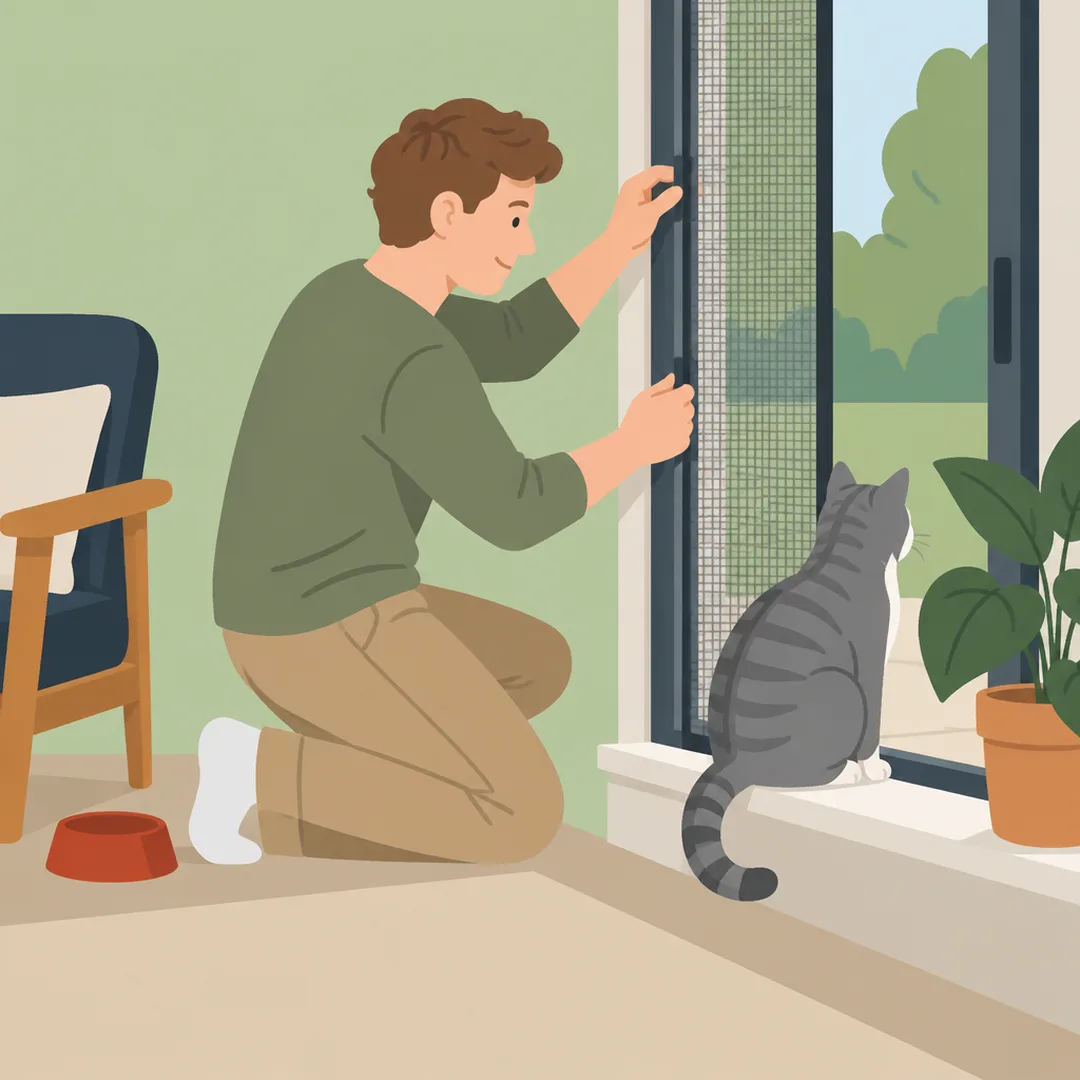
- If neighbourhood cats stare in, cover the lower part of the window with frosted film.
- Keep cat flaps microchip-activated so only your cat can come in.
- Use a quiet room with a radio or white noise during fireworks or storms.
Pheromone products
Synthetic feline facial pheromone diffusers are widely used. Research results are mixed: some studies show small benefits, others none. They are safe to try alongside the steps above, but they will not replace safe places, routine and resources.
Medication
For some cats, anxiety is too strong for environmental changes alone. Your vet may suggest anti-anxiety medication, or a single dose of a calming medicine such as gabapentin before vet visits. Never give your cat human medication without veterinary advice.
Key points
- Hiding is a healthy coping strategy; give your cat several safe, raised, enclosed places.
- Watch for changes: more hiding, eating less, over-grooming, house-soiling.
- Never drag a cat out of hiding; sit low, look away and let them come to you.
- Routine and predictability lower stress more than any product.
- Long-term stress affects health, so treat it as a welfare issue, not just a quirk.
When to call the vet
- Call your vet now if your cat is hiding and also not eating for more than 24 hours, has trouble breathing, or is straining in the litter box.
- Book a visit if hiding, over-grooming or house-soiling lasts more than a few days, or appears without a clear trigger.
Sources
- International Cat Care: Stress in cats
- AAFP/ISFM Feline Environmental Needs Guidelines
- Vinke et al. (2014) Will a hiding box provide stress reduction for shelter cats? Applied Animal Behaviour Science
- Ohio State: Feline idiopathic cystitis and stress (Buffington)
- Cats Protection: Stressed cats
- Fear Free Happy Homes