The ladder of aggression
Bites rarely come out of nowhere. The ladder of aggression shows how dogs escalate from quiet signals to growls and snaps, and how to help them climb back down.
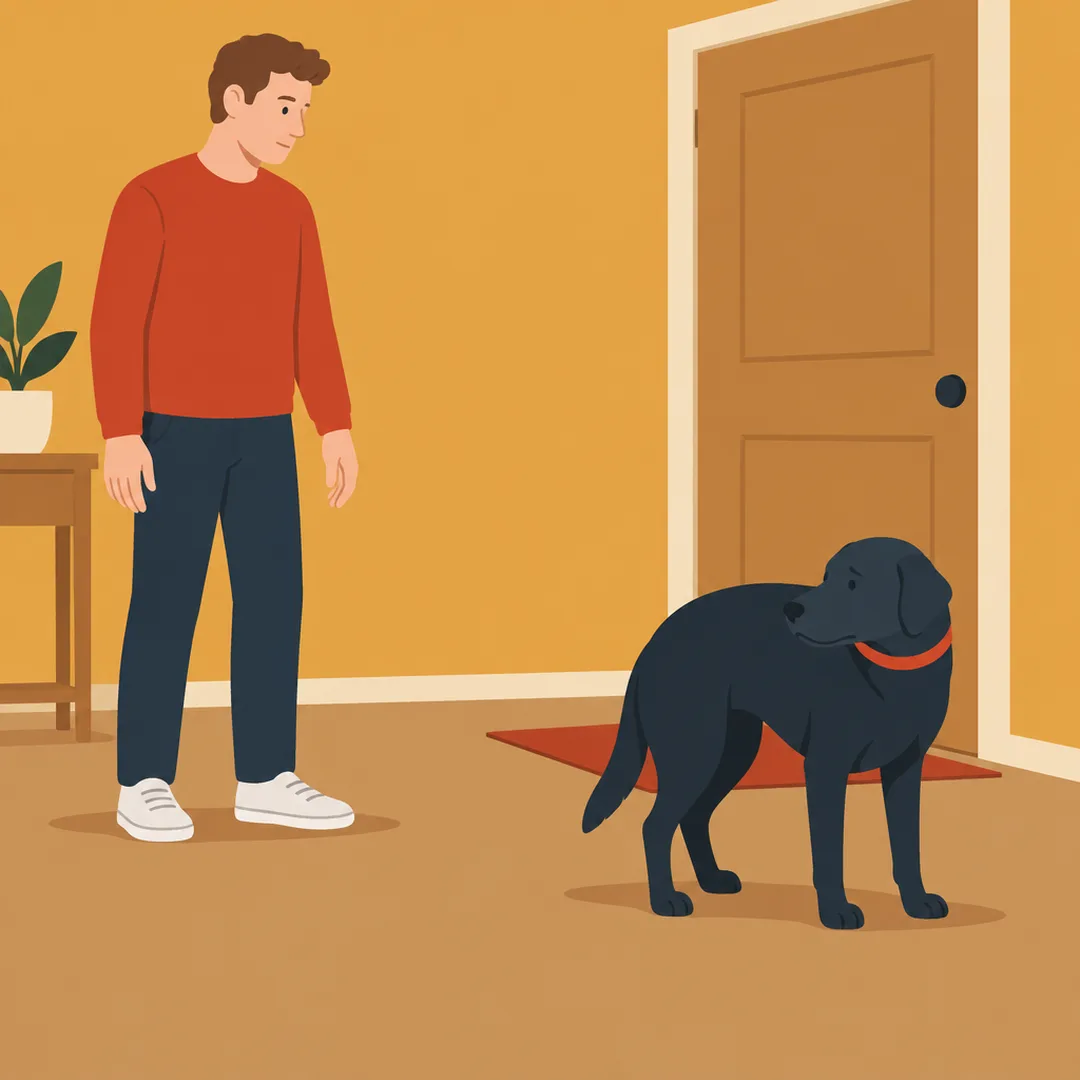
Many owners say their dog "bit out of nowhere." Almost always, the dog was talking first. Veterinary behaviourist Kendal Shepherd drew this as a ladder: dogs start with small, polite signals at the bottom and climb toward a bite only when the lower rungs do not work.
Knowing the ladder lets you spot where your dog is and help them climb down.
The rungs of the ladder
From the bottom up:
- Yawning, blinking, nose licking. Quiet signs of unease.
- Turning the head away.
- Turning the body away, or sitting, or pawing.
- Walking away.
- Creeping, ears back. Low, slow, trying to avoid.
- Standing crouched, tail tucked under.
- Lying down, leg up. Often mistaken for wanting a belly rub.
- Stiffening and staring. The body goes still, eyes hard. This is a serious warning.
- Growling. A clear "back off."
- Snapping. A bite in the air or a quick touch without pressure. The dog chose not to bite hard.
- Biting.
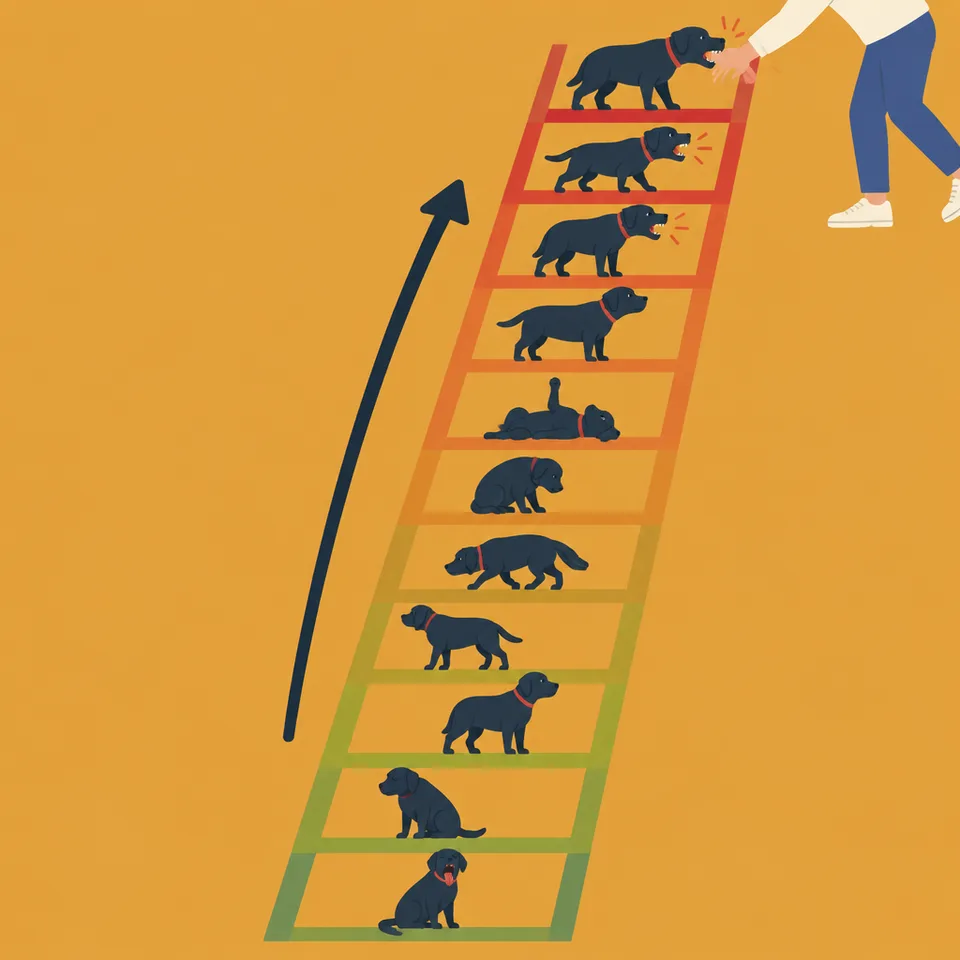
A dog might move through the bottom rungs in a few seconds. That is why watching body language matters so much.
Why dogs climb the ladder
Most aggression is about fear, pain or wanting to keep something. Common reasons:
- Fear: a stranger reaching over, being cornered, the vet table.
- Pain: sore joints, ears or teeth make handling hurt. AAHA lists irritability and aggression when touched as signs of pain.
- Guarding: food, chews, toys, resting spots or a person.
- Frustration: held back on a lead from something they want.
- Being startled: woken suddenly, especially older dogs with poor hearing or sight.
The ASPCA notes that aggression is the most common serious behaviour problem in dogs, and that the right plan depends on the cause.
Why dogs skip rungs
Some dogs seem to jump straight to snapping. Usually this is learned. If a dog was told off for growling, they learn that growling gets them into trouble. The fear is still there, only the warning is gone. Next time, they may skip it.
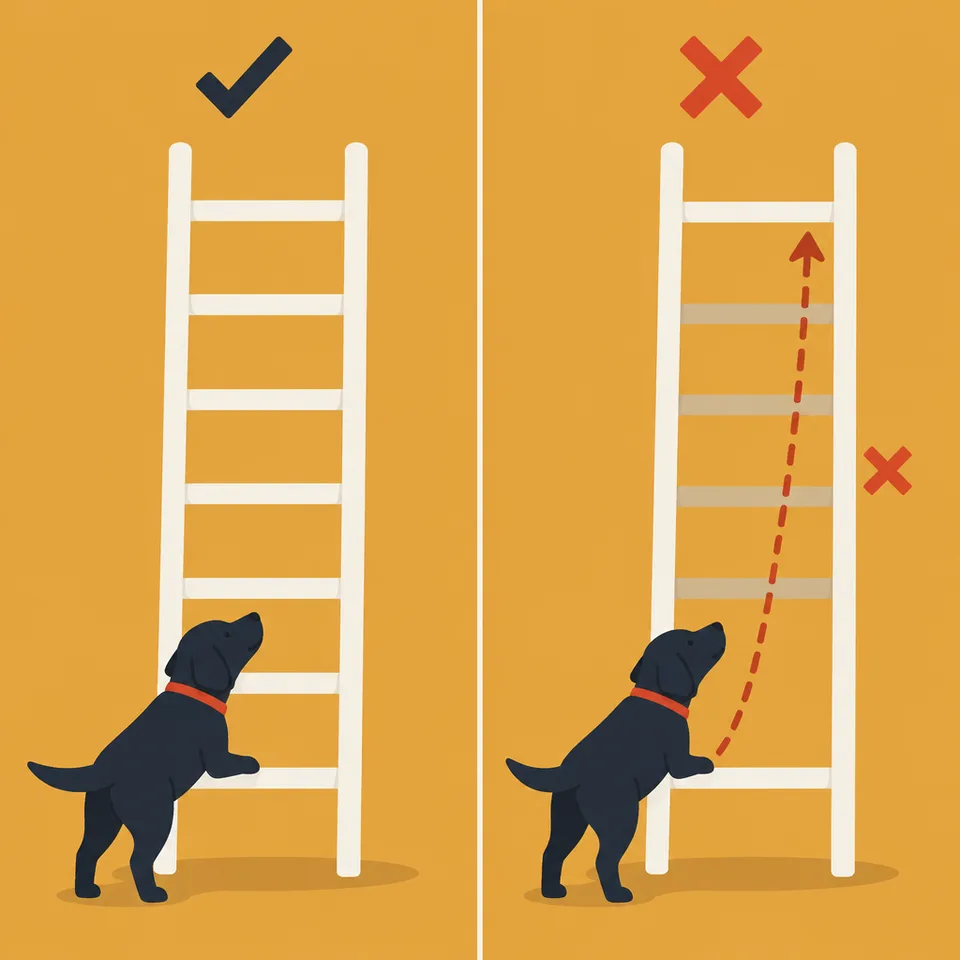
The AVSAB position statement warns that punishment can suppress warning signals and increase fear and aggression. A growl is useful information. Thank your dog for telling you, then change the situation.
Dogs that are repeatedly pushed, for example handled again and again while showing signs of stress, also learn that low-level signals do not work.
What to do in the moment
If your dog is stiff, staring, growling or snapping:
- Stop what you are doing. Do not reach, lean in or keep handling.
- Create distance. Step back slowly, turn sideways, look away.
- Do not punish, shout or stare. That adds threat.
- If there is a trigger, move your dog away from it calmly, or move it away from your dog.
- Let your dog calm down before you try anything else.
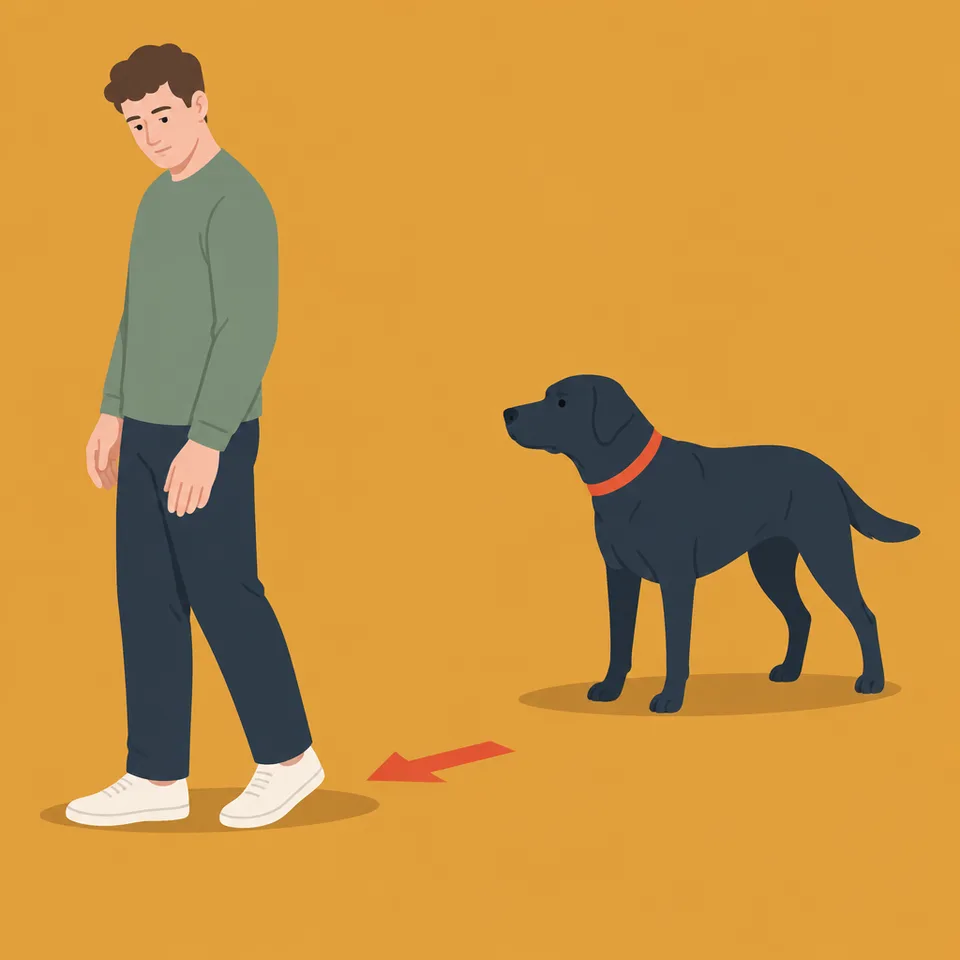
If your dog is guarding an object, do not grab it. Toss a few treats away from the dog and walk off, or trade calmly once they move away.
Helping your dog climb down for good
- See your vet first. Rule out pain and illness, especially if the aggression is new or the dog is older.
- Find the pattern. Write down each incident: what happened just before, who was there, how close, what time.
- Manage. Use gates, leads and routines so the trigger does not happen while you work on it.
- Change the feeling. With a qualified professional, pair the trigger at a safe distance with good things so your dog's emotional response shifts.
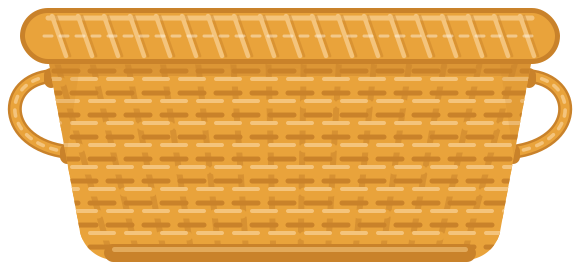
- Teach a muzzle as a happy thing if there is any bite risk. A basket muzzle the dog can pant and drink in, trained with treats over days, keeps everyone safe.
- Get qualified help. A veterinary behaviourist or certified behaviour consultant (see the article on choosing a trainer) is the right call for aggression.
Small and large dog notes
- Small dogs: their growls and snaps are often laughed off, so they may escalate faster. Treat small dog aggression just as seriously. Avoid scooping them up without warning.
- Large dogs: the stakes are higher if they bite, so early help matters. Strength also means good management (gates, secure leads) is essential while you train.
Children and the ladder
Most bites to children come from a dog they know, often at home. Children tend to hug, lean over and stare, which dogs find threatening. Teach children to leave a dog alone if it walks away, and supervise all contact actively. See the article on dogs and kids.
Key points
- Bites rarely come from nowhere; dogs climb a ladder of warnings first.
- Stiffening, staring and growling are serious signals: stop, give space, change the situation.
- Never punish a growl; it removes the warning, not the fear.
- Pain is a common hidden cause. New or sudden aggression needs a vet check.
- Aggression needs a qualified professional and good management while you work on it.
When to call the vet
- Your dog shows aggression for the first time, or it starts suddenly.
- Aggression shows up when you touch a certain body part, or alongside limping, ear or mouth problems.
- An older dog becomes grumpy, startles easily or snaps when woken.
- Anyone has been bitten: get first aid for the person and speak to your vet about next steps.